Every October, the world dresses in shades of black and orange, candles flicker behind carved faces, and creativity takes a hauntingly beautiful form. Halloween has long transcended its origins as a pagan ritual to become one of the most visually distinctive and influential cultural phenomena in modern design.
But how did this unique blend of mystery, fear, and playfulness evolve into the global aesthetic we know today?
From Samhain to Halloween: The Origins of Darkness and Light

The roots of Halloween trace back over 2,000 years to the Celtic festival Samhain, marking the end of the harvest season and the beginning of winter — a time believed to blur the line between the living and the dead.
People lit bonfires and wore costumes to ward off wandering spirits, creating the first visual elements that would later define Halloween: masks, firelight, and shadows.
The Gothic Influence: Fear Meets Elegance
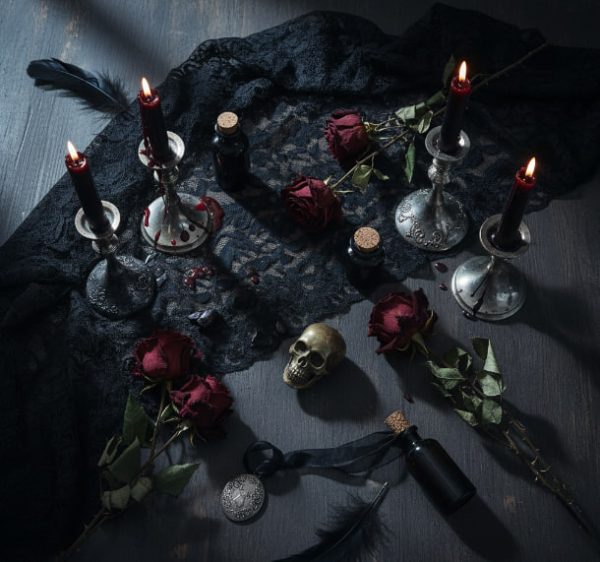
During the 18th and 19th centuries, Gothic art and literature — from Mary Shelley’s Frankenstein to Bram Stoker’s Dracula — reshaped the Western imagination of fear.
Dark castles, moonlit skies, and haunting silhouettes became timeless motifs. These elements slowly merged into Halloween iconography, where horror intertwined with elegance and style.
Designers today still draw from this aesthetic: the contrast of black and gold, ornate typography, and shadowed imagery evoke the same mysterious beauty that once captivated readers of Gothic novels.
The Modern Visual Language of Halloween
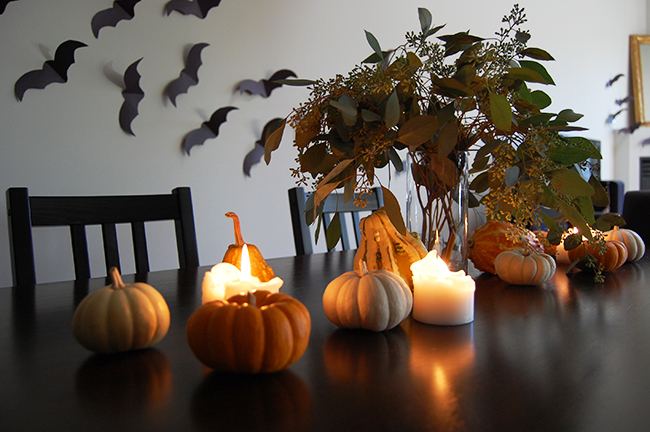
In modern design, Halloween is not just about fear — it’s about playful contrast.
Bright oranges meet deep blacks, purple fog meets candy pastels. The visual language evolved with pop culture, cinema, and digital art.
Pumpkins became icons not only of harvest but of creativity. Designers reinterpret traditional symbols — from witch hats to ravens — with a focus on clean lines, minimalism, and aesthetic storytelling.
Modern Halloween visuals often balance between nostalgia and novelty, blending vintage horror motifs with sleek, social-media-ready compositions.
It’s this duality — ancient and modern, dark and delightful — that makes Halloween a favorite season for artists and creators.
Why the Halloween Aesthetic Endures
Halloween’s design language thrives because it taps into something universal — our fascination with mystery and transformation.
It invites us to explore contrasts: life and death, fear and fun, beauty and decay.
For designers, it’s a chance to experiment with textures, lighting, and atmosphere in ways no other holiday allows.
From ancient rituals to Instagram grids, Halloween remains a celebration of creativity — a time when imagination walks freely between shadows and candlelight.
Halloween in Digital Art and Branding

As Halloween became a staple of global pop culture, it naturally found its place in digital art and branding. Today, creatives reinterpret its symbolism through motion graphics, 3D art, and social media visuals. Designers mix gothic undertones with modern color palettes, soft gradients, and bold typography to create a balance between eeriness and elegance.
Brands, too, embrace this season as an opportunity to refresh their visual identity — adding a touch of mystery or nostalgia without straying from their core aesthetic. Animated pumpkins, glitch effects, and glowing typography dominate online campaigns every October, turning digital spaces into immersive Halloween experiences.
The Timeless Allure of Halloween Design
Halloween’s aesthetic endures because it speaks to universal emotions — curiosity, excitement, and the thrill of the unknown. Its imagery invites people to explore both darkness and light, to play with contrasts, and to celebrate creativity without limits.
For designers, it’s more than a holiday — it’s a playground of visual storytelling where the ancient meets the digital, and fear transforms into art.
Whether through candlelit rituals or glowing pixels, Halloween continues to inspire — reminding us that beauty often hides in the shadows.